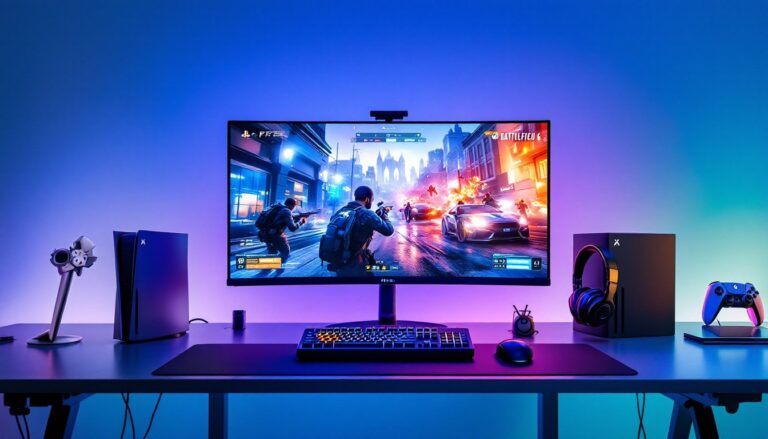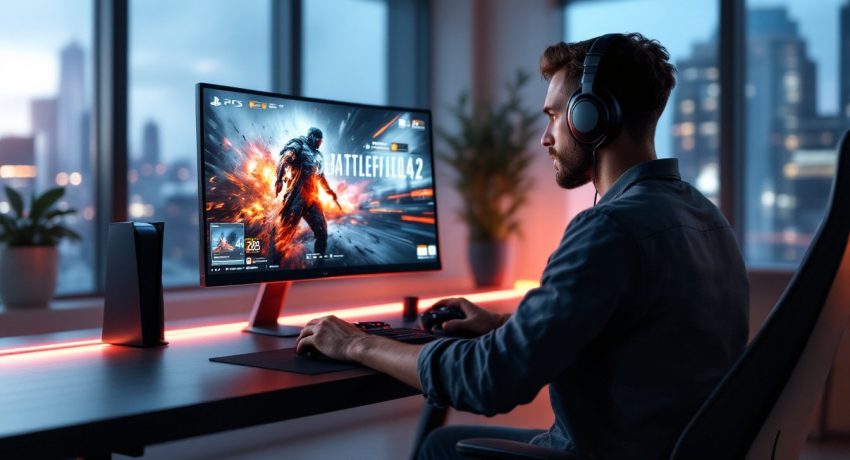

PlayStation 5 has become the go-to platform for Battlefield fans seeking the best visual fidelity and performance in large-scale multiplayer warfare. Whether you’re jumping into Battlefield 6, Battlefield 2042, or exploring what’s next, the PS5’s hardware delivers frame rates, load times, and DualSense features that fundamentally change how you experience these games. This guide covers everything you need to maximize your Battlefield gaming on PS5, from graphics settings to controller optimization to squad strategy.
Table of Contents
ToggleKey Takeaways
- PlayStation 5 delivers Battlefield at 4K 60fps or 1440p 120fps with instant load times under 30 seconds, giving competitive players a significant edge over previous console generations.
- Disable motion blur, film grain, and reflections in performance mode to prioritize frame consistency and reduce input lag for better target tracking and competitive advantage.
- Leverage the DualSense controller’s adaptive triggers and haptic feedback to improve weapon familiarity and situational awareness during intense multiplayer firefights.
- Squad composition and teamwork fundamentally determine success in Battlefield on PS5—balance assault, support, recon, and engineer roles to control objectives and multiply effectiveness.
- Map knowledge, sound cues, and high-ground positioning matter as much as gunplay; coordinate with your squad to control vehicle spawns and force enemies into strategic funnels.
- Use a 120Hz monitor and enable 120fps mode for competitive play, but ensure fast network connections and low-latency settings to minimize input lag on PS5 Battlefield.
Why Battlefield Is A Must-Play On PlayStation 5
The Battlefield franchise thrives on scale and destruction, two things the PS5 handles exceptionally well. Unlike previous generations, the console’s SSD and GPU power let maps load instantly, vehicles render without pop-in, and 64-128 player matches run at consistent frame rates. Games like Battlefield 2042 showcase dynamic weather, collapsing structures, and AI-driven events that would choke older hardware.
PS5 owners also benefit from platform-specific features. The Battlefield Tips: Essential Strategies for Dominating the Game guide shows how console players leverage adaptive triggers and haptic feedback during intense firefights. Load times dropped from 2+ minutes on PS4 to under 30 seconds on PS5, cutting lobby wait times dramatically. For competitive players, this responsiveness matters, every millisecond counts in ranked matches.
Graphics And Performance: What You’ll Experience
The PS5 runs Battlefield at 4K 60fps as standard, with a 1440p 120fps option available depending on your display. Ray-traced shadows and reflections add realism to vehicle explosions and water effects, though performance mode drops some ray-tracing to maintain frame consistency, a worthwhile trade-off for competitive play.
Settings matter more than you’d think. Players prioritizing competitive advantage often disable motion blur and reduce motion smoothing to zero, improving target tracking during fast ADS (aiming down sights) scenarios. Ambient occlusion and tessellation can stay cranked, but DLSS alternatives (like Nvidia’s DLSS on PC, unavailable on PS5) mean you won’t sacrifice visual quality as much as console players from two generations ago.
Compare these settings to Battlefield 6 Best Settings on PS5 recommendations, you’ll notice pros often disable reflections in performance mode, accepting lower visual fidelity for 120fps and lower input lag. A monitor with 120Hz support becomes critical if you unlock that frame rate.
Mastering Gameplay Mechanics On PS5
Battlefield’s gunplay hinges on controlling recoil, managing ammunition drop-off, and timing your ADS window. The PS5’s haptic feedback actually helps here, you feel each burst of your rifle, which naturally trains your trigger discipline. TTK (time to kill) varies wildly between weapons, so loadout selection matters as much as aim.
Destruction physics are a game-changer on PS5. Unlike other FPS titles, building destruction isn’t cosmetic, it’s tactical. Breaching a wall opens a flank route: collapsing a tower creates cover. The How to Play Battlefield: breaks down these mechanics for new players unfamiliar with the franchise’s unique identity.
Controller Features And DualSense Optimization
The DualSense controller’s adaptive triggers provide resistance that varies by weapon. Sniper rifles feel heavier: SMGs feel lighter and faster. This subtle sensory feedback improves accuracy and weapon familiarity over time. Haptic feedback kicks when you take damage or experience explosions nearby, providing situational awareness without looking at UI elements.
Tweaking sensitivity is crucial, most competitive PS5 players run 70-90% horizontal, 60-75% vertical. Dead zone settings sit around 5-15%, balancing precision with responsiveness. Invert Y-axis preference splits the community, but muscle memory matters more than the “optimal” setting.
Multiplayer Strategy And Squad Dynamics
Battlefield rewards team play more than solo gunslinging. Squad spawning, revive mechanics, and objective captures multiply your effectiveness ten-fold compared to running solo. A coordinated squad holding an objective generates consistent score streaks and killstreaks that avalanche into map dominance.
Class composition matters, balance assault, support, recon, and engineer roles. Assault pushes objectives and handles close-range engagements: support keeps ammo flowing and locks down territory: recon spots enemies and controls sightlines: engineer handles vehicles and gadgets. Squads lacking one role suffer immediately.
The Palo Alto Battlefield: Your example shows how map knowledge and squad positioning compound advantages. Hold the high ground, control vehicle spawns, and force enemies into funnels where your squad converges. Sound cues, footsteps, reload clicks, vehicle engines, matter as much as visuals on PS5’s capable audio hardware.
Optimizing Your PS5 Settings For Competitive Play
Start with display settings. If you’re using a standard 60Hz TV, lock frame rate at 60fps for consistency. Owners of 120Hz monitors unlock 120fps performance mode, but input lag becomes the limiting factor, fast network connections and low-latency monitors become mandatory.
Video quality options should disable motion blur entirely: it introduces artificial lag in competitive scenarios. Film grain, lens distortion, and chromatic aberration toggle off, these look nice in single-player but clutter your sight picture in multiplayer. Keep shadows on for sightline information, but lower shadow quality from ultra to medium if frame consistency dips below your target.
Network settings matter. Disable cross-play if you want PS5-only lobbies (console players face PC aimbots and uncapped frame rates differently). Enable voice chat but mute teammates spamming music. Adjust voice volume so callouts cut through gunfire without overpowering game audio.
The Best Battlefield Game: A Complete Ranking Guide highlights how older Battlefield titles punished poor optimization, but modern PS5 iterations eliminate most hardware excuses. Your performance hinges on personal settings, not console limitations.
Conclusion
Battlefield on PS5 delivers the franchise’s vision at its best, massive maps, 128-player servers, destruction, and vehicles running at 4K 60fps without compromise. Master the DualSense features, dial in your settings, and coordinate with your squad. Whether you’re climbing competitive ranks or grinding casual matches, the PS5 offers the optimal console experience. The hardware’s ready. Your settings matter. Your squad composition matters more.