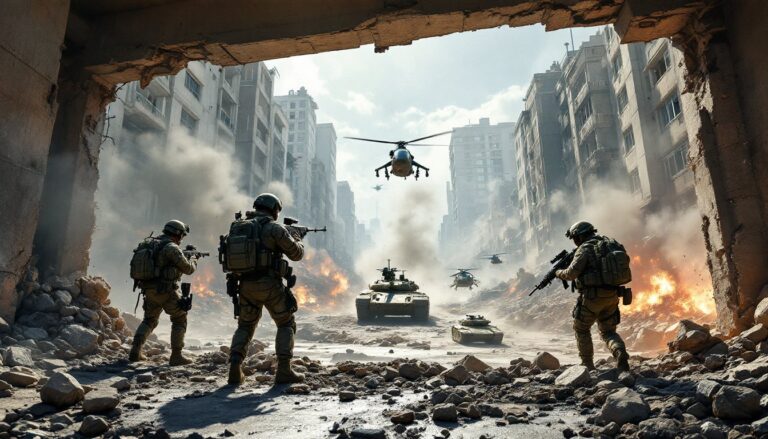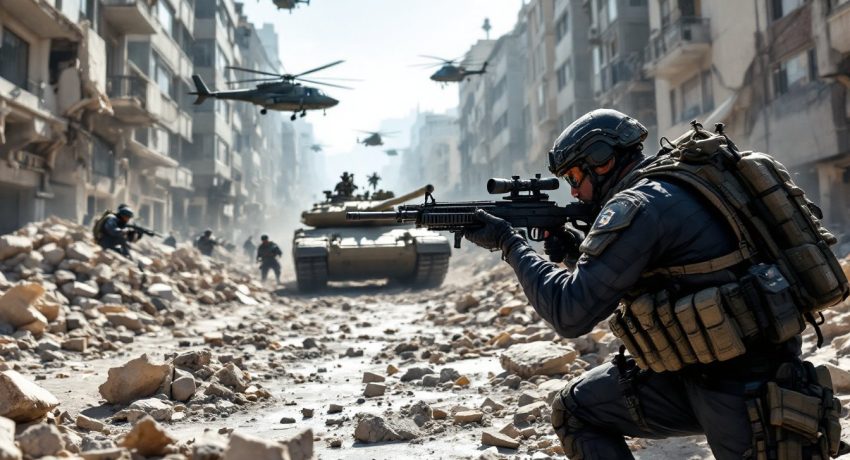

Battlefield 6 stands as the franchise’s most ambitious large-scale warfare experience yet, delivering intense combined-arms combat across massive multiplayer battlefields. Whether you’re piloting a helicopter, calling in artillery strikes, or holding down a capture point with your squad, Battlefield 6 offers the chaotic, team-driven gameplay that sets it apart from competitors like Call of Duty. Available on Steam and major gaming platforms, this incarnation doubles down on destructible environments, flexible class-based roles, and dynamic objectives that shift throughout every match. With regular updates shaping the meta and an active community pushing the boundaries of custom content through Battlefield Portal, 2026 is the perfect time to immerse.
Table of Contents
ToggleKey Takeaways
- Battlefield 6 delivers large-scale 32v32 multiplayer warfare with destructible environments and squad-based gameplay that fundamentally changes tactical positioning and map control.
- The four-class system—Assault, Engineer, Support, and Recon—requires coordinated team composition and mid-match flexibility to counter enemy strategies and maintain squad effectiveness.
- Destructible environments aren’t cosmetic; they create flanking routes, collapse enemy positions, and reshape the battlefield, making every match’s tactical landscape unique.
- Recent updates like Winter Offensive (v1.1.3) focused on audio clarity, visual improvements, and control responsiveness, directly addressing community feedback to enhance competitive viability.
- Battlefield Portal’s sandbox mode enables community-created custom experiences, extending long-term engagement between seasonal content drops and keeping the meta fresh.
- Success in Battlefield 6 prioritizes teamwork, map knowledge, and squad revive coordination over individual skill, rewarding defensive play and strategic positioning.
Core Gameplay and Warfare Features
Battlefield 6 centers on all-out warfare with up to 32v32 players per side, emphasizing large-scale squad-based combat across infantry, vehicle, and air support roles. The game’s gunplay has been overhauled with improved movement mechanics, crouch-sprinting, drag-and-revive systems, and precise ADS (aim-down-sights) aiming give combat a snappier feel than previous entries.
The respawn system offers tactical flexibility: spawn at your HQ, a captured objective zone, or directly into available vehicles. Squad revive mechanics include timers and anti-chain-revive limits to prevent abuse, rewarding players who coordinate with teammates. This encourages staying alive and playing defensively rather than mindless rushing.
Dynamic Destruction and Tactical Combat
Tactical destruction is a core pillar. You can demolish buildings to create new flanking routes, collapse ceilings onto enemy positions, and use vehicles as literal “wrecking balls” to reshape the battlefield. A tank plowing through a compound isn’t just cool, it fundamentally changes how squads position themselves for the next push. Tight interior spaces and multiple flanking routes mean vertical gameplay and alternative routes matter. Unlike some shooters where map layout is purely cosmetic, every destructible element in Battlefield 6 has strategic weight. Scouts can collapse a sniper perch, support players can breach walls for their squad, and engies can use vehicles to open blocked passages. This systemic destruction isn’t a gimmick: it’s how top squads control territory.
Game Modes Overview
Battlefield 6 ships with a diverse mode roster designed for different playstyles:
Large-Scale Objective Modes
Conquest remains the flagship. Two teams battle for control of multiple flags, holding more points drains enemy ticket resources faster. Map knowledge and squad positioning determine victory, not individual skill alone.
Rush (M-COM style) puts attackers on offense: plant explosives on M-COM objectives while defenders defuse. Successful attacks push the front line forward: defenders win by detonating all charges before the sector falls.
Sector/Breakthrough modes force teams to capture strategic control points, with remaining objectives narrowing until a final showdown. These modes require coordinated assaults and defensive holdouts.
Frontlines blend attack/defend: squads fight sector by sector with attackers needing to hold all points simultaneously. It’s tense, objective-focused warfare.
Smaller-Scale & Specialty Modes
Squad Deathmatch is four squads racing to a kill target, pure chaos.
Domination and Territory modes strip out vehicles for infantry-only, fast-paced fights on tight maps.
Team Deathmatch is kills-only, no objectives.
Battlefield Portal deserves special mention. This sandbox mode lets the community create custom experiences by manipulating map objects, scripting NPC behavior, and building custom UIs. Players have crafted everything from zombie modes to racing circuits. It’s the long-tail content engine keeping the community invested between seasonal drops.
Classes and Character Progression
Battlefield 6 uses a four-class system. Each specializes in a specific role, but mid-match switching ensures flexibility.
Assault: Your frontline brawler. Strong at mid-to-close range with access to the broadest weapon pool. Gadgets like assault ladders add verticality, letting squads breach second-story positions. Assault drives early pushes and holds captured objectives.
Engineer: The vehicle hunter. Engineers repair friendly armor, making tanks nearly unkillable when paired with a good driver. Their anti-vehicle gadgets, like the SLM93A AA launcher for air threats, are critical against enemy helicopters and armor. No Engineer? Your squad loses air superiority fast.
Support/Medic-type: The squad backbone. Focuses on healing, reviving, and resupplying ammo and utility. In competitive squads, a good medic determines engagement duration and team survivability.
Recon/Scout: Long-range specialists. Benefit from spotting intel and precision fire. Recon gadgets reveal enemy positions, feeding callouts to the squad.
Progression & Customization
Each class has its own “training path”, unlock weapons, gadgets, perks, and cosmetics by leveling that class. You’re not forced into a single role: squads adapt by swapping classes between lives. Late-game meta shifts often require tweaking class builds. For example, if the enemy team stacks Assault, your squad pivots to more Recons for spotting and Engies for crowd control. Battlefield Tips: Essential Strategies break down how to build efficient squad compositions.
Latest Updates and Season Content
Winter Offensive (v1.1.3, December 9, 2025)
The December patch prioritized player feedback across three pillars:
Audio Overhaul: Sound design received broad improvements, combat and vehicle audio now prioritize clarity, footsteps have been reworked for better distance definition and positional awareness, and overall audio mix is less chaotic. In a game where callouts win matches, hearing enemy footsteps before they see you is now more viable.
Visual Clarity: Close-range visibility effects were refined so soldiers stand out in dark or low-visibility areas. This combats the previous “dark corner camping” meta where visibility was poor at medium range.
UI & Controls: Minimap behavior, UI clarity, and controller aiming responsiveness all received attention. These “boring” quality-of-life fixes are the difference between a clunky feeling FPS and a polished one.
Upcoming Content
EA has promised new maps, guns, and gadgets in upcoming seasons. Leaks suggest expanded vehicle customization is coming, letting players fine-tune tank and helicopter loadouts. Class balance continues to shift, for instance, Assault recently lost a “wall-hack” style ability in favor of the “Rally Squad” ability, which spawns a temporary forward holdout point. These changes keep the meta fresh but mean loadout recommendations from 2025 may not hold in mid-2026. Follow seasonal patch notes carefully. Compare Battlefield 6 to Steam Battlefield 2042 to see how iterative balance updates differentiate the current generation from its predecessor.
Multiplayer Performance and Community
Battlefield 6 is built for 32-player-per-side multiplayer warfare. This scale, not too large, not too small, creates breathing room for vehicles and air support without turning matches into uncontrollable chaos. Server tick rate and netcode remain critical topics in the community, and patch 1.1.3 included optimizations to reduce desync and improve hitreg consistency.
Competitive settings vary widely. Pro Battlefield 6 settings reveal that mouse sensitivity preferences range from 400 to 1600 DPI depending on playstyle, aggressive assaults favor higher sens, while snipers and long-range engies prefer lower settings. Controller players benefit from the improved ADS responsiveness mentioned earlier.
Community feedback has tangibly shaped Battlefield 6. The audio clarity improvements and visibility fixes in v1.1.3 came directly from player complaints. The Portal sandbox feature fosters custom modes and long-term engagement, with community creators building experiences that keep the game fresh between seasonal releases. Esports organizations have begun hosting Battlefield 6 competitions, signaling the game’s competitive viability alongside titles like Call of Duty and Apex. Reviewing aggregated critic scores shows strong reception for the core gameplay, though some complaints persist around server stability in specific regions.
Conclusion
Battlefield 6 delivers exactly what the franchise promised: large-scale, squad-focused warfare with destructible environments and tactical depth. Whether you’re grinding ranked Conquest, experimenting with Portal creations, or climbing the competitive ladder, the game rewards teamwork and map knowledge. Recent updates prove EA is listening, audio clarity, visual improvements, and control refinements show commitment to long-term support. The meta will shift, balance patches will arrive, and new content will reshape strategies, so stay flexible and keep learning. Jump in, find your squad, and dominate the battlefield.