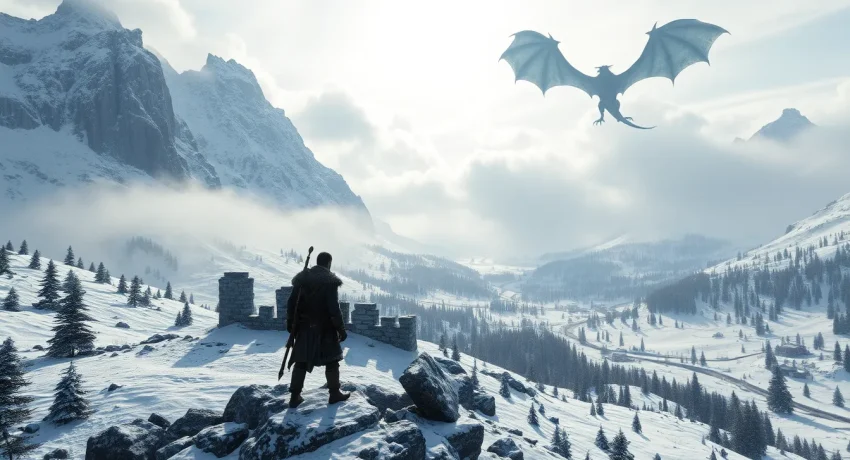

Skyrim stands as one of the most influential video games ever made. Released by Bethesda Game Studios in 2011, this open-world RPG has sold over 60 million copies worldwide. Players continue to return to its snow-capped mountains and ancient ruins more than a decade later. The game offers hundreds of hours of exploration, combat, and storytelling. Whether someone is a first-time adventurer or a veteran Dragonborn, Skyrim delivers an experience that few games can match. This article explores what makes Skyrim special and why it remains a cultural phenomenon in gaming.
Table of Contents
ToggleKey Takeaways
- Skyrim has sold over 60 million copies since 2011 and remains one of the most influential open-world RPGs ever made.
- The game offers unparalleled player freedom, allowing you to ignore the main quest and explore hundreds of hours of faction storylines and side content.
- Skyrim’s skill-based character building removes traditional class restrictions, letting your playstyle evolve naturally as you use different abilities.
- Over 70,000 mods on platforms like Nexus Mods keep Skyrim fresh with graphical upgrades, gameplay overhauls, and entirely new quests.
- Multiple re-releases including the Special Edition and Anniversary Edition have brought Skyrim to nearly every gaming platform with improved graphics and features.
- With Elder Scrolls VI still years away, Skyrim remains the definitive open-world RPG experience for both new and returning players.
What Makes Skyrim a Legendary Game
Skyrim earned its legendary status through a combination of ambitious scope and player freedom. Bethesda created a world where players could ignore the main quest entirely and still enjoy hundreds of hours of content. The game drops players into the province of Skyrim during a civil war, with dragons returning after centuries of absence.
The storytelling works because it respects player agency. Someone can become the leader of the Thieves Guild, join the Dark Brotherhood, or master the arcane arts at the College of Winterhold. Each faction offers its own questline with memorable characters and moral choices. The game never forces a particular path.
Combat in Skyrim feels satisfying even though its simplicity. Players can wield swords, axes, bows, or destruction magic, often mixing styles mid-battle. The signature dragon fights remain thrilling, especially when these massive creatures swoop down unexpectedly during travel. Absorbing a dragon’s soul to unlock new Shouts never gets old.
Skyrim also succeeds through atmosphere. The ambient soundtrack by Jeremy Soule captures both the epic scale and quiet moments of exploration. Walking through a forest at dawn while that music plays creates genuine emotional responses. Few games nail this feeling so consistently.
Exploring the Vast Open World of Tamriel
The province of Skyrim sits in the northern reaches of Tamriel, the continent where all Elder Scrolls games take place. This frozen land contains nine distinct holds, each with unique geography and culture. From the volcanic tundra near Windhelm to the autumnal forests of Riften, every region feels distinct.
Skyrim rewards curiosity at every turn. A player might spot a cave entrance while traveling between cities and discover an entire dungeon filled with lore, treasure, and enemies. These discoveries happen organically without quest markers pointing the way. The world contains over 300 points of interest, and most players find new locations even after years of playing.
Cities in Skyrim feel alive with daily routines. NPCs work during the day, visit taverns at night, and hold conversations with each other. Whiterun serves as most players’ first major city, with its iconic Dragonsreach palace overlooking the plains. Solitude functions as the imperial capital, while Windhelm houses the Stormcloak rebellion.
The wildlife and ecology add believability to Skyrim’s world. Elk graze in meadows. Wolves hunt in packs. Giants tend their mammoth herds and generally leave travelers alone, unless provoked. These details make exploration feel like genuine discovery rather than checking boxes on a map.
Character Building and Gameplay Freedom
Skyrim revolutionized RPG character building by removing traditional class restrictions. Players develop skills simply by using them. Swing a sword enough times, and the One-Handed skill increases. Cast healing spells, and Restoration improves. This system feels natural and allows builds to evolve organically.
The game offers ten playable races, each with unique starting bonuses and abilities. Nords resist frost damage. Khajiit see in the dark and deal extra unarmed damage. High Elves regenerate magicka faster. These differences matter early in Skyrim but become less significant as characters level up.
Perk trees add specialization depth to Skyrim’s skill system. Each of the eighteen skills has its own tree with unique abilities. A stealth archer might invest in Archery perks for damage and Sneak perks for remaining hidden. A battlemage could split points between Heavy Armor, One-Handed, and Destruction. The combinations seem endless.
Players can own multiple homes across Skyrim, from modest houses to sprawling estates. The Hearthfire expansion lets players build custom homes and adopt children. Marriage is available with dozens of NPCs, providing small daily bonuses and a companion who actually stays home. These features add personal stakes to the adventure.
The Enduring Modding Community
Skyrim’s modding community has kept the game alive far beyond its expected lifespan. Over 70,000 mods exist on platforms like Nexus Mods, ranging from small fixes to complete game overhauls. This community represents one of the most dedicated in gaming history.
Graphical mods transform Skyrim’s visuals dramatically. Texture packs, lighting overhauls, and ENB presets make the game look better than many modern releases. A heavily modded Skyrim on a capable PC can genuinely stun viewers who remember the original 2011 graphics.
Gameplay mods address common complaints about Skyrim’s systems. Combat overhauls add complexity and challenge. Economy mods make gold feel meaningful. Survival mods require players to eat, sleep, and stay warm. These additions let players customize their experience to match their preferences.
Quest mods add entirely new adventures to Skyrim. Projects like “Enderal” and “Beyond Skyrim” represent thousands of hours of volunteer work. Some quest mods feature professional voice acting and storylines that rival official content. The modding community essentially provides infinite free DLC for dedicated players.
Why Skyrim Remains Relevant Today
Skyrim has been released on practically every gaming platform since 2011. The Special Edition arrived in 2016 with upgraded graphics and mod support for consoles. The Anniversary Edition in 2021 added Creation Club content and further improvements. Bethesda clearly understands the game’s enduring appeal.
New players discover Skyrim constantly through streaming, social media, and word of mouth. The game appears regularly in “best RPG” lists and recommendation threads. Its reputation has only grown over time as newer games fail to capture the same magic.
Skyrim works as comfort gaming for many players. Loading up a familiar save file and wandering through snowy mountains provides genuine relaxation. The game doesn’t demand constant attention or quick reflexes. Players can engage deeply or casually, and Skyrim accommodates both approaches.
The wait for Elder Scrolls VI has extended Skyrim’s relevance further. With no sequel in sight for several more years, Skyrim remains the definitive Elder Scrolls experience for this generation. Players hungry for that specific type of open-world RPG have few alternatives that match its quality.