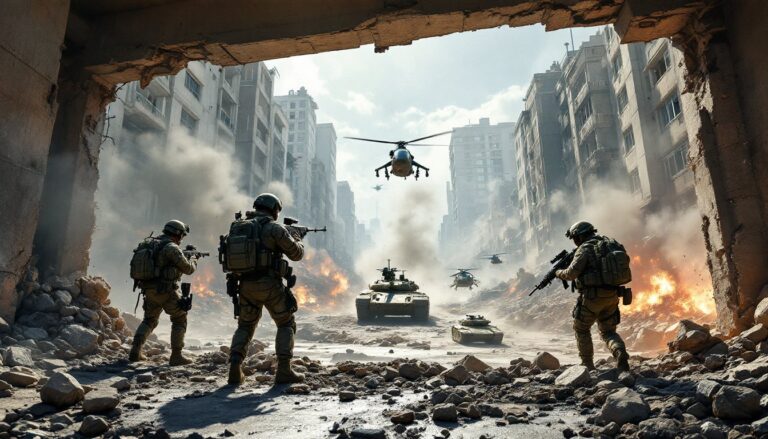

Battlefield ideas can transform an average player into a squad leader who dominates every match. The franchise rewards tactical thinking, teamwork, and smart decision-making over raw reflexes alone. Players who understand game modes, coordinate with their squad, and master positioning consistently outperform those who simply run and gun. This guide covers practical battlefield ideas that work across multiple titles in the series. From squad tactics to vehicle strategies, these concepts help players contribute more to their team and win more rounds.
Table of Contents
ToggleKey Takeaways
- Battlefield ideas that prioritize teamwork and tactical thinking outperform raw reflexes and solo play every time.
- Adjust your playstyle based on the game mode—snipers excel in Conquest’s open maps but may struggle in Rush’s tight corridors.
- A balanced squad with medic, support, engineer, and recon roles creates synergies that dominate uncoordinated teams.
- Learn multiple flanking routes to each objective so you can bypass enemy defenses and attack from unexpected angles.
- Coordinate anti-vehicle attacks with your squad since a single rocket rarely destroys a tank.
- Customize your loadout based on the map and team needs rather than sticking to personal preferences alone.
Understanding Different Battlefield Game Modes
Each Battlefield game mode demands a different approach. Conquest, the franchise’s signature mode, requires teams to capture and hold multiple objectives across large maps. Success depends on reading the flow of battle and deciding which flags need attention.
Rush mode flips the script entirely. Attackers must destroy M-COM stations while defenders protect them. Attackers benefit from aggressive pushes and coordinated assaults. Defenders win by creating strong defensive lines and watching flanking routes.
Breakthrough combines elements of both modes. Teams fight over sectors in sequence, and the attacking team must maintain momentum. Stalling at one sector often leads to defeat as defenders dig in deeper.
Players should adjust their battlefield ideas based on the active mode. A sniper might excel in Conquest’s open spaces but struggle in Rush’s tight attack corridors. Flexibility matters. The best players switch classes and roles depending on what their team needs at that moment.
Squad Tactics and Team Coordination
A coordinated squad of four average players will beat four skilled soloists almost every time. Battlefield rewards teamwork through its squad spawn system, order bonuses, and class synergies.
Squad leaders should mark objectives constantly. Marked objectives give bonus points to everyone who attacks or defends them. More importantly, they focus the squad’s efforts on a single goal instead of scattering players across the map.
Class composition matters significantly. Running four assault players means no ammo resupply, no healing, and no spawn beacons. Smart squads balance their roles:
- One medic keeps the squad alive and reduces respawn delays
- One support player provides ammunition and suppressive fire
- One engineer handles vehicles and repairs friendly armor
- One recon spots enemies and provides overwatch
Communication separates good squads from great ones. Callouts about enemy positions, vehicle spawns, and flanking attempts give squads a major advantage. Players without microphones can still use the spotting system and ping mechanics to share information.
These battlefield ideas around coordination apply whether players queue with friends or join random squads. Even basic teamwork creates opportunities that solo players miss.
Map Control and Positioning Strategies
Map knowledge directly affects performance in Battlefield games. Players who understand sightlines, cover positions, and common routes make smarter decisions under pressure.
Controlling key terrain gives teams major advantages. High ground offers better sightlines and harder-to-assault positions. Choke points let smaller forces hold off larger attacks. Buildings provide cover from vehicles and aircraft.
Flanking routes exist on every map. The main paths between objectives see the heaviest fighting. Side routes and back alleys let squads bypass enemy defenses and attack from unexpected angles. Players should learn at least two approaches to each major objective.
Spawning decisions affect positioning immediately. Spawning on a contested squad member often means dying within seconds. Spawning at a safe location and moving forward gives players time to assess the situation.
These battlefield ideas around positioning help players survive longer and contribute more to each engagement. A player who reaches the objective alive beats one who dies repeatedly in transit.
Vehicle and Infantry Synergy
Vehicles define Battlefield’s large-scale combat. Tanks, helicopters, jets, and transport vehicles create opportunities that pure infantry gameplay cannot match.
Infantry should support friendly vehicles rather than ignore them. Engineers can repair damaged tanks, extending their battlefield presence significantly. Spotting enemy vehicles helps friendly armor and aircraft prioritize threats.
Transport vehicles offer fast repositioning across large maps. A squad that grabs a transport helicopter can reach distant objectives before enemies fortify them. Speed creates tactical options that walking simply cannot provide.
Anti-vehicle tactics require coordination. A single rocket rarely destroys a tank. Multiple engineers firing simultaneously, or combining rockets with mines and C4, bring armor down quickly. Teams that focus fire on vehicles eliminate threats faster.
Gunners in vehicles should prioritize infantry threats. Tank drivers focus on enemy armor while gunners handle soldiers with rockets and explosives. This division of responsibility makes vehicle crews far more effective.
These battlefield ideas help players maximize vehicle impact. Whether driving, gunning, or supporting from the ground, understanding this synergy improves team performance.
Loadout Customization Tips
Loadout choices should match the current situation rather than personal preference alone. The best players adjust their equipment based on map, mode, and team needs.
Weapon selection depends on expected engagement ranges. Close-quarters maps favor SMGs and shotguns. Open maps with long sightlines reward assault rifles and designated marksman rifles. Players should have loadouts prepared for different scenarios.
Gadget choices affect team contribution significantly. Smoke grenades help teams cross open ground under fire. Anti-tank weapons counter enemy armor. Spawn beacons give squads forward spawning options.
Attachments change weapon behavior substantially. Suppressors hide players from the minimap but reduce damage range. Extended magazines provide more shots before reloading but slow aim-down-sight speed. These tradeoffs require thoughtful consideration.
Specializations and perks vary across Battlefield titles, but the principle remains consistent. Players should choose options that complement their playstyle and fill gaps in their squad’s capabilities.
These battlefield ideas around loadouts help players prepare for multiple situations. Flexibility in equipment choices creates flexibility in tactical options.