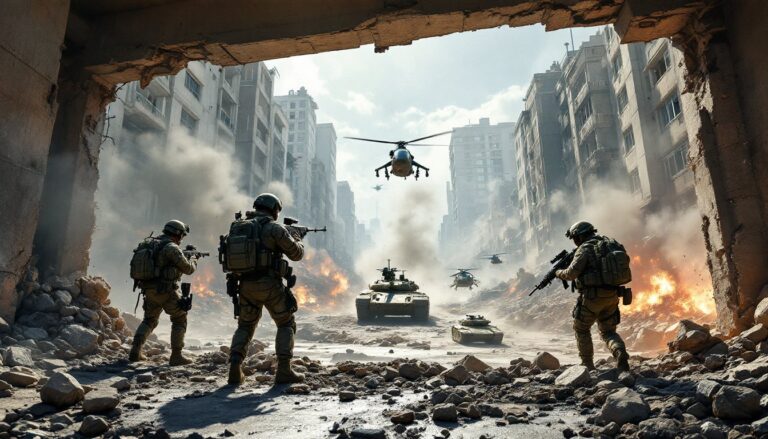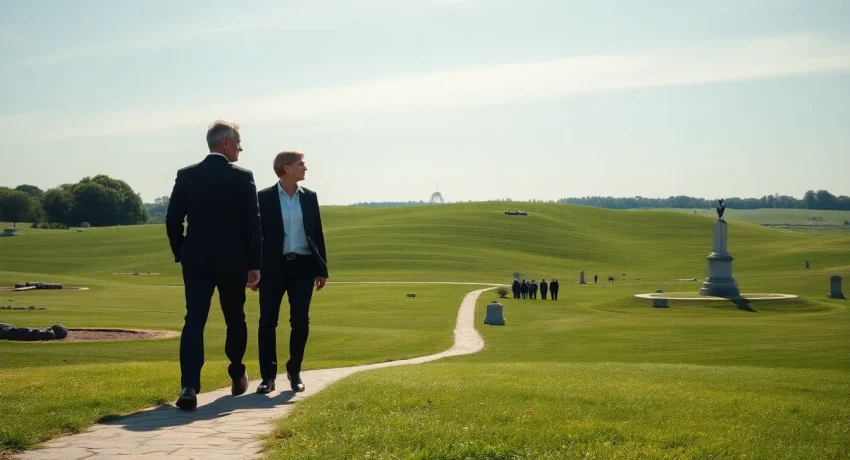

A battlefield is more than a geographic location. It represents the collision of armies, ideologies, and human ambition. Throughout history, battlefields have determined the fate of empires and shaped the course of civilization. Today, the concept extends beyond physical terrain into digital landscapes where millions engage in virtual combat through popular video games.
This guide explores the battlefield from multiple angles. Readers will discover the historical importance of these sites, learn about famous locations that changed world history, and understand how warfare tactics evolved over centuries. The article also covers modern gaming culture’s interpretation of battlefield experiences and offers tips for visiting historic sites in person.
Table of Contents
ToggleKey Takeaways
- Battlefields serve as physical records of human conflict, preserving context and evidence that written accounts alone cannot capture.
- Famous battlefield sites like Gettysburg, Waterloo, and Normandy represent pivot points that shaped political boundaries, national identities, and world history.
- Battlefield tactics have evolved from ancient phalanx formations to modern cyber warfare, though core principles like terrain advantage and leadership remain timeless.
- The Battlefield video game franchise brings large-scale military combat to millions of players while sparking interest in historical events and authentic weaponry.
- Visiting historic battlefields creates personal connections with the past—research beforehand, wear comfortable shoes, and treat these sacred sites with respect.
- Preservation efforts worldwide protect battlefield locations as educational resources, allowing visitors to walk the same ground where history unfolded.
The Historical Significance of Battlefields
Battlefields serve as physical records of human conflict. These sites tell stories that documents alone cannot capture. The land itself bears witness to sacrifice, strategy, and struggle.
Historians study battlefield locations to understand military decisions, troop movements, and the human cost of war. Archaeological finds on these sites, weapons, personal items, burial grounds, provide direct evidence of past events. A battlefield preserves context that written accounts often miss.
The significance of a battlefield extends beyond military history. These locations shaped political boundaries, influenced cultural identities, and altered economic systems. The outcome of a single battle could determine which language a region speaks today or which government controls its territory.
Battlefields also carry emotional weight. Families lost generations of young people on these grounds. Communities remember their fallen through monuments, ceremonies, and annual commemorations. The battlefield becomes sacred space for descendants and nations alike.
Preservation efforts protect battlefield sites from development and decay. Organizations worldwide work to maintain these locations as educational resources. Visitors can walk the same ground where history unfolded, connecting with the past in ways textbooks cannot provide.
Famous Battlefields That Shaped World History
Certain battlefields stand out for their lasting impact on civilization. Gettysburg in Pennsylvania marked a turning point in the American Civil War. The three-day battle in July 1863 resulted in approximately 51,000 casualties and ended Confederate hopes of winning the war through invasion.
The battlefield at Waterloo in Belgium ended Napoleon’s reign in 1815. This single engagement reshaped European politics for decades. The coalition forces’ victory established a new balance of power across the continent.
Normandy’s beaches became the most famous battlefield of World War II. On June 6, 1944, Allied forces launched the largest amphibious invasion in history. The D-Day landings on this battlefield opened the Western Front and accelerated Nazi Germany’s defeat.
Marathon in Greece holds significance from ancient times. In 490 BCE, Athenian forces defeated a larger Persian army on this battlefield. The victory preserved Greek independence and influenced Western civilization’s development.
The battlefield at Stalingrad saw some of the deadliest fighting in human history. Between August 1942 and February 1943, Soviet and German forces clashed in brutal urban combat. The Soviet victory turned the tide of World War II’s Eastern Front.
Each battlefield represents a pivot point. These locations witnessed decisions and sacrifices that continue to affect modern geopolitics, national identities, and collective memory.
The Evolution of Battlefield Tactics and Warfare
Battlefield tactics have transformed dramatically across millennia. Ancient commanders relied on formation-based combat. Greek phalanxes and Roman legions dominated through discipline and coordination on the battlefield.
The introduction of cavalry changed warfare fundamentally. Mounted warriors provided speed and shock power that infantry could not match. Medieval battlefields saw knights and cavalry charges become decisive factors in many engagements.
Gunpowder revolutionized the battlefield in the 15th and 16th centuries. Cannons demolished fortifications that had protected cities for centuries. Muskets eventually replaced swords and pikes as primary infantry weapons.
The industrial age brought mechanized warfare to the battlefield. World War I introduced tanks, aircraft, and machine guns that made traditional cavalry charges obsolete. Trench warfare created static battlefields where armies faced each other across no-man’s land.
World War II expanded battlefield dimensions. Air power, armored divisions, and combined arms operations became standard doctrine. The battlefield extended into the sky and beneath the ocean surface.
Modern warfare adds cyber and information dimensions. Today’s battlefield includes electronic systems, satellite communications, and drone technology. Soldiers operate in environments their predecessors could not have imagined.
Throughout these changes, certain principles remain constant. Terrain advantage, supply lines, morale, and leadership quality continue to determine battlefield outcomes. Technology changes the tools, but strategy retains timeless elements.
Battlefield in Modern Gaming Culture
The Battlefield video game franchise has brought military combat to millions of players worldwide. Electronic Arts launched the series in 2002 with Battlefield 1942. The franchise has since become one of gaming’s most successful military shooter brands.
Battlefield games distinguish themselves through large-scale multiplayer combat. Players experience massive maps, vehicle warfare, and squad-based teamwork. The franchise emphasizes combined arms gameplay where infantry, tanks, aircraft, and naval vessels interact on a single battlefield.
Recent entries have explored different historical periods. Battlefield 1 took players to World War I, while Battlefield V covered World War II. Battlefield 2042 returned the franchise to near-future settings with advanced technology and environmental hazards.
The gaming community around Battlefield remains active and passionate. Competitive tournaments, streaming content, and modding communities keep the franchise relevant between releases. Players appreciate the franchise’s attention to weapon authenticity and map design.
Battlefield games also serve educational purposes for some players. Historical settings spark interest in actual events. Many players research the real battles and equipment featured in games they enjoy.
The franchise continues to evolve with gaming technology. Improved graphics, larger player counts, and new gameplay mechanics keep each Battlefield release fresh. The series demonstrates how historical and military themes translate effectively into interactive entertainment.
Visiting Historic Battlefields Today
Visiting a battlefield offers experiences that reading or gaming cannot replicate. Standing on historical ground creates personal connections with past events. Many battlefield sites welcome visitors and provide interpretive resources.
National parks protect major American battlefield locations. Gettysburg National Military Park receives over one million visitors annually. The site offers guided tours, museum exhibits, and preserved earthworks from the 1863 battle.
European battlefields attract history enthusiasts from around the globe. Normandy’s D-Day beaches feature museums, cemeteries, and preserved fortifications. Visitors can walk the same sand where Allied soldiers landed in 1944.
Battlefield tourism supports local economies while promoting historical awareness. Hotels, restaurants, and tour companies build businesses around these destinations. Communities take pride in preserving and sharing their battlefield heritage.
Practical tips improve battlefield visits. Research the site’s history beforehand to understand what occurred there. Wear comfortable shoes since many battlefields cover extensive terrain. Consider hiring local guides who provide detailed knowledge and personal stories.
Respect remains essential at battlefield sites. These locations are often final resting places for soldiers. Visitors should follow posted rules, stay on marked paths, and treat the ground with appropriate reverence.
Photography helps preserve personal memories of battlefield visits. Many sites offer scenic vistas alongside monuments and memorials. Images capture the scale and atmosphere that words struggle to convey.